


Leopold Wenger's last letters from the Eastern Front, Aug. 1944-Jan. 1945
copyright 2014 Wilhelm Wenger and Carolyn Yeager
Translated from the German by Carlos Whitlock Porter
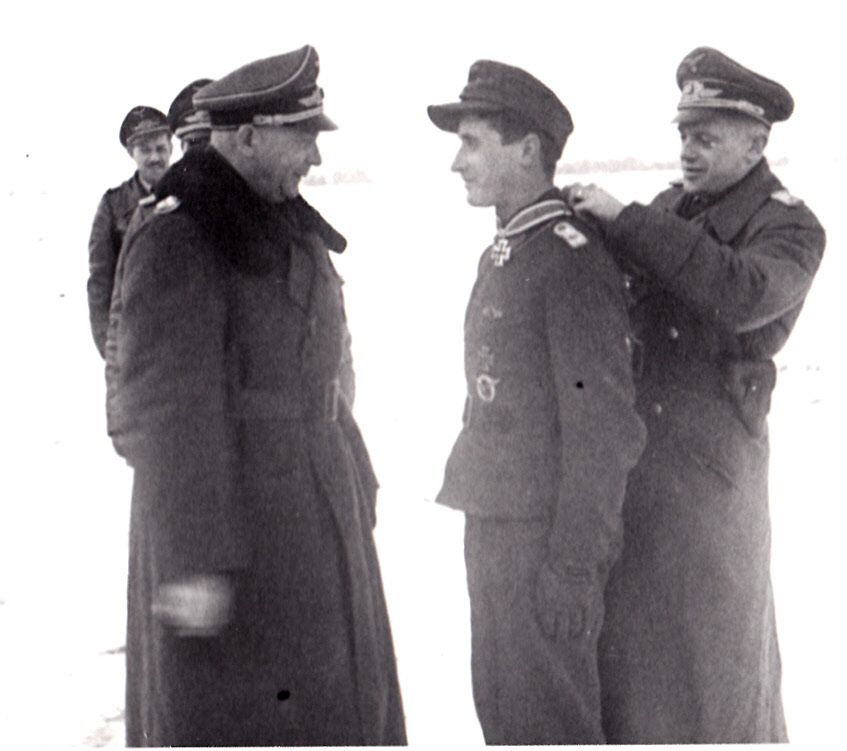
First, an account of the fall of Sevastopol and the loss of Ukraine by the end of June 1944, assembled by Willy Wenger. The letters that follow, the last ones Leopold Wenger wrote to his family, spanned August '44 to January '45. Poldi had been in Ukraine since November 1943, relocating only slowly westward, but now his Group begins to move around, first to Poland, finally closer to Vienna.
Sevastopol Falls
In six to eight weeks, the situation looked quite different. The Allies had landed in Normandy. On 5 May, the 2nd [Russian] Guard Army went on the offensive on the west side of Sevastopol. On 7 May, the [Soviet] 51st Army and Coastal Army expanded their offensives to Balaklava and conquered the crest of the Sapun mountains, with which the German commanders, two years before, had sealed the [fate of the] siege. The German commanders now abandoned their lines all the way to Inkerman, where they intended to regroup for a counterattack, after gaining the relative security of the commanding mountain heights. The situation of the defenders was desperate. One German division after the other gave way. On 8 May, General Schörner issued an order to the Navy and Luftwaffe to make the best of a bad job. On 9 May, the Soviets liberated Sevastopol. A single German unit fought a rearguard action for four days on the Kherson peninsula to permit the embarkation of survivors.
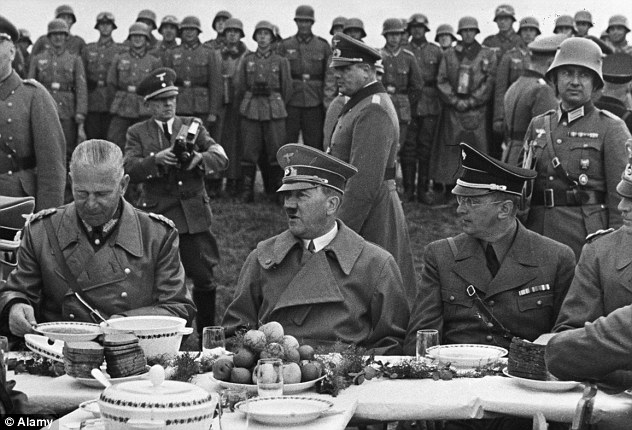
 The current year 2014 is the centenary (100th anniversary) of the start of what came to be called the First World War, called "The Great War" before WWII. To learn how and why this war took place, Carolyn goes to two sources: Thomas Dalton's "