


Adolf Hitler on 'Causes of the Collapse'

Continuing with passages from Mein Kampf, 2017 Thomas Dalton translation. See here.
Chapter 10 – Causes of the Collapse – is a long chapter, about 50 pages. I reproduce here the parts that I think are most relevant and essential, beginning with Hitler's introductory thoughts.
P 427
Only that which is capable of extraordinary heights can experience a profound decline or collapse. The collapse of the Reich [referring to the 'Second Reich' or reign of Hohenzollerns (1871-1918), initiated by Bismarck] was so difficult and terrible because it had fallen from a height that can hardly be imagined in these days of misery and humiliation [in 1925].
[T]his empire had not been brought into existence by a series of parliamentary maneuvers, but by reason of the noblest circumstances. Its foundations were laid not amidst parliamentary debates but with the thunder and boom of war along the front that encircled Paris. It was thus that an act of statesmanship was accomplished whereby the German princes and people established the future Reich, and restored the symbol of the imperial crown. Bismarck's state was not founded on treason and assassination by deserters and slackers, but by the regiments that fought at the front.
 THIS ARTICLE WAS FIRST PUBLISHED IN THE JOURNAL
  I have written and spoken in this space many times about the responsibility of the British for bringing about the wars that came to be called World War I and World War II—including an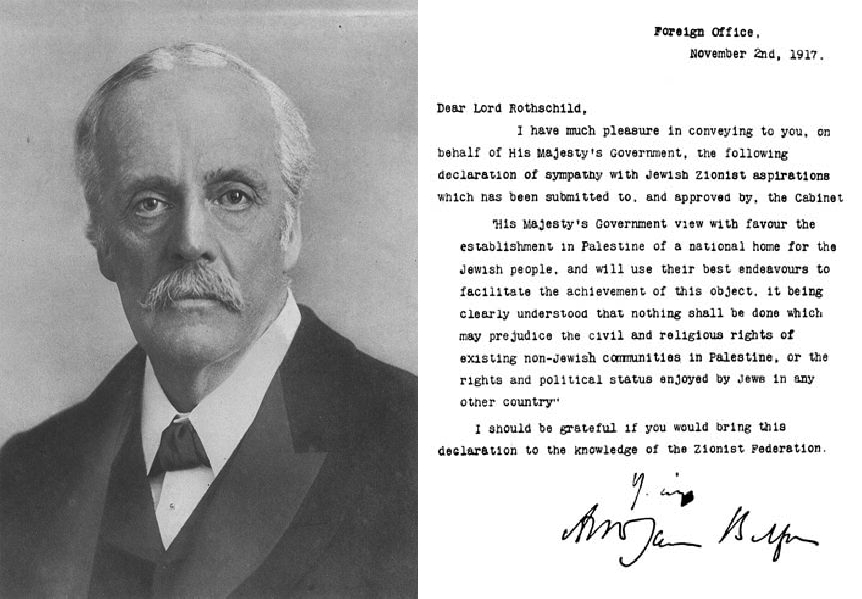
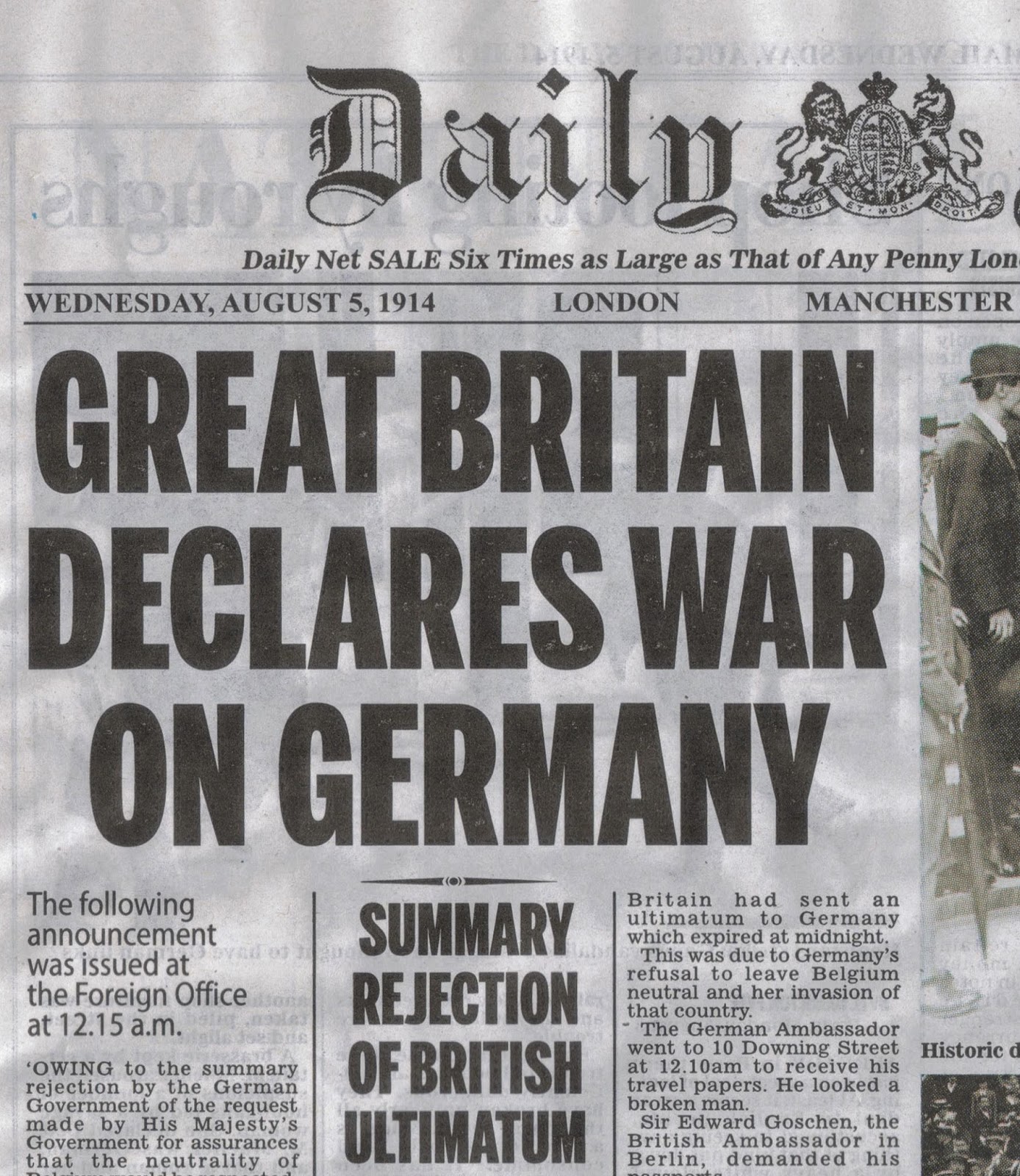 Dr. Nicholas Kollerstrom talks with Carolyn about his latest book titled “How Britain Initiated Both World Wars.” The book began as a talk he gave, on two different nights, to a monthly meet group he belongs to in London, and it retains something of the conversational style. But the ideas it contains about
  The
The